Vatican continues to use Rupnik’s art!

Have they no shame?

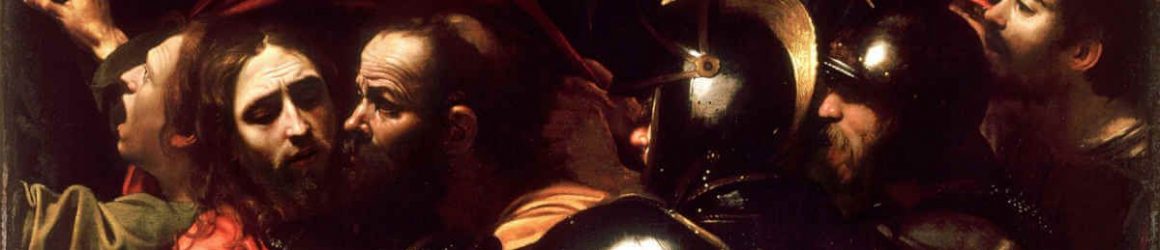
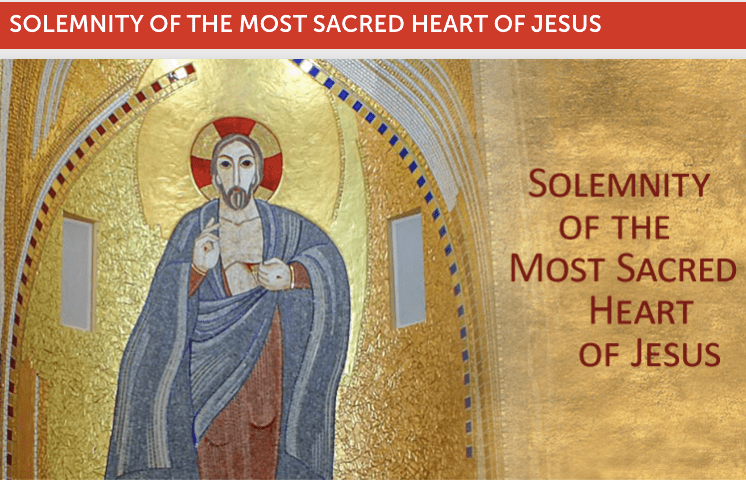
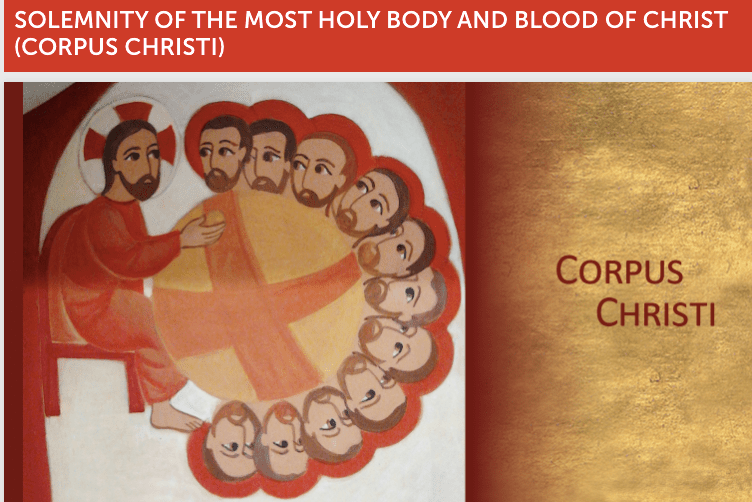
Evil. That is the only way to describe it. The folks at Vatican News apparently think it appropriate to continue using the art of disgraced sex-abuser-priest, Marko Rupnik, to promote some of the liturgical year’s most sacred days. Is this a not-so-subtle message of business as usual at the Vatican?

That the Age of Aquarius is steaming ahead in Francis’ Rome? How dare they? How DARE THEY?

This artwork is so disorienting, some would say, demonic.

And if you have the stomach for something even more bizarre – here is Rupnik explaining his mosaic about St Pio – only he spends the bulk of the time spouting nonsense about Pope Francis and his similarities with our dear Padre.

A fascinating article about Freemasons & Catholics from Pillar Catholic

when catholics could be masons by nico fassino at pillar catholic

For hundreds of years, the Catholic Church has prohibited its members from joining Masonic lodges.

Freemasonry has been denounced by numerous popes, beginning with Pope Clement XII in 1738, on the grounds that it promotes religious indifferentism.

But after the Second Vatican Council, many Catholics around the world suddenly became confused about whether it was permissible for Catholics to become Masons. 

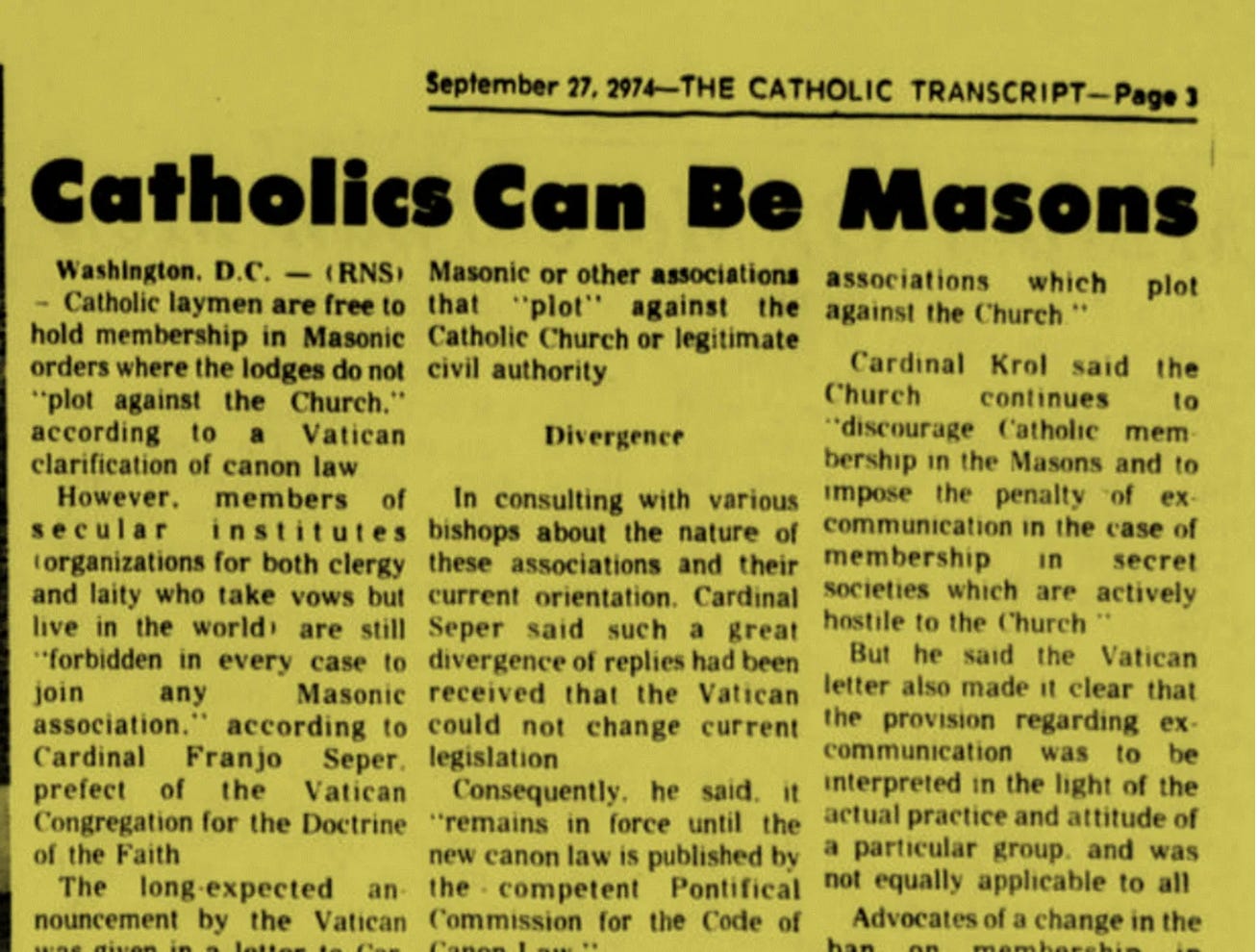
From the Catholic Transcript (newspaper of the Archdiocese of Hartford), September 27, 1974, page 3. Scan via Catholic News Archive, public domain.

In fact, there was a seven-year stretch in the 1970s when the English-speaking Catholic world was taught by its bishops that, although it was not encouraged, it was in fact permitted to become a Mason, as long as certain conditions were met. 

Then, at the end of those seven years, these Catholics were suddenly informed that joining the Masons was actually still forbidden under pain of excommunication – and always had been.

That period in history is all but forgotten today. But a survey of Catholic newspapers from the time period offers a glimpse into the confusion that surrounded the subject of Masonry in the American Catholic world 50 years ago.

Changes anticipated: 1971-1974

While work was underway on the revised Code of Canon Law in Rome in the early 1970s, it became clear that there was widespread anticipation that the Church would soon change her teaching on Catholic participation in Freemasonry. 

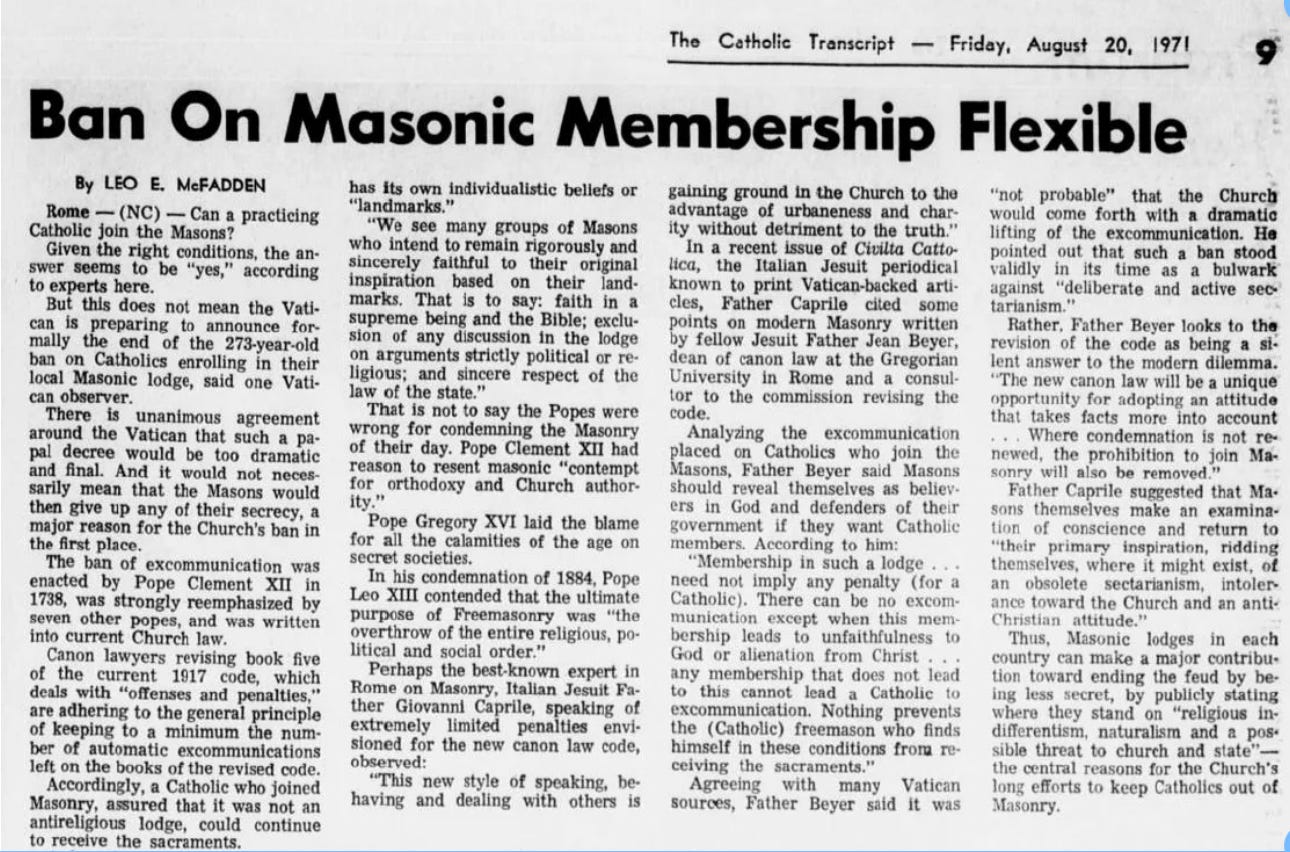
In August 1971, National Catholic News Service – the news service of the U.S. bishops – issued a lengthy report which predicted that the Church would soon modify her teaching on the matter. 

Headlined, “Catholic-Masonic Relations Enter Friendly New Era,” the report included commentary from leading experts in Rome, including Fr. Jean Beyer, SJ – Dean of Faculty of Canon Law at the Gregorian University in Rome and a consultor to the Vatican Commission for the Revision of the Code of Canon Law. The syndicated story ran in official diocesan newspapers throughout the nation. 

The Catholic Transcript (newspaper of the Archdiocese of Hartford), August 20, 1971, page 9. Scan via Catholic News Archive, public domain.

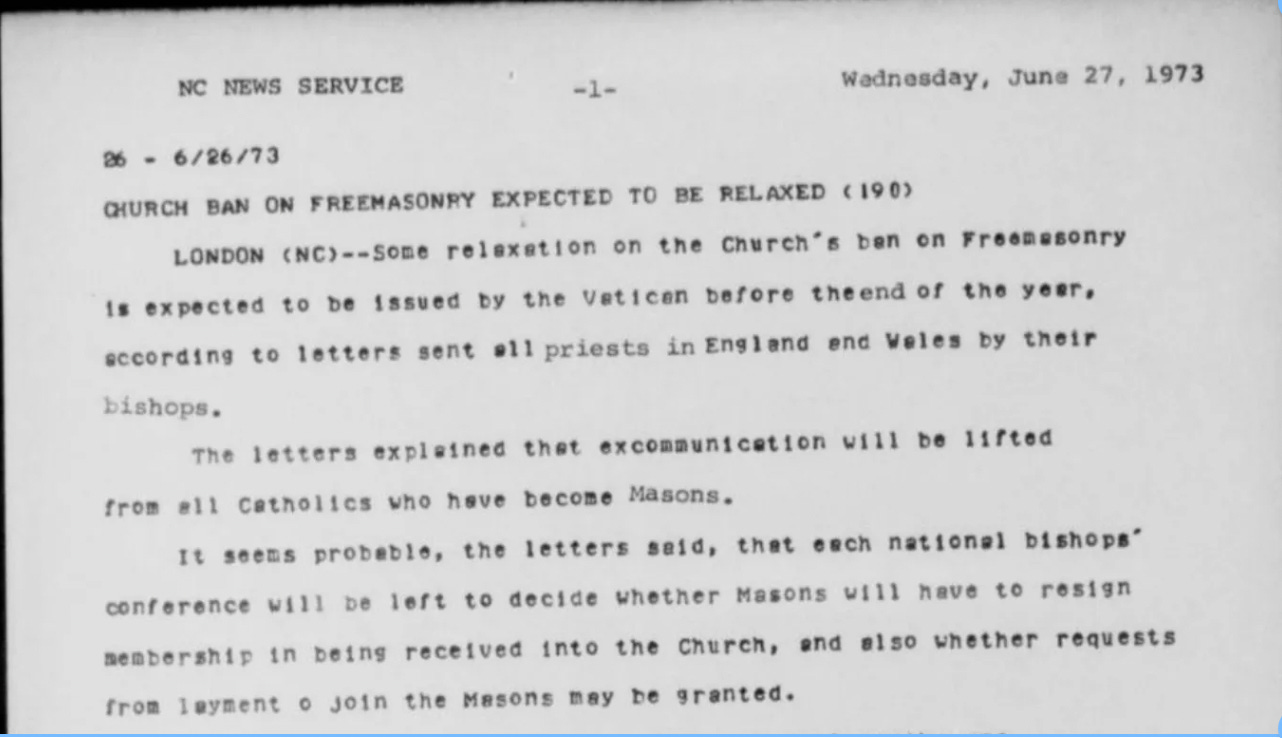
Two years later, in June 1973, National Catholic News Service again reported that Church officials were expecting and planning for a change in Church teaching. 

The article, headlined “Church ban on Freemasonry expected to be relaxed,” revealed that the Catholic Bishops of England and Wales had sent letters to all priests in their country, informing them that some “relaxation” in the ban on Freemasonry was expected soon. 

According to the letter from the English hierarchy, “it seems probable that each national bishops’ conference will be left to decide whether Masons will have to resign membership in being received into the Church, and also whether requests from laymen [to] join the Masons may be granted.”

The National Catholic News Service (by the US Bishops Conference), June 27, 1973, wire copy page 1. Scan via Catholic News Archive, public domain.

This news was widely printed in official diocesan newspapers throughout the country and continued to be discussed in newspapers and clerical journals between the summer of 1973 and spring 1974.

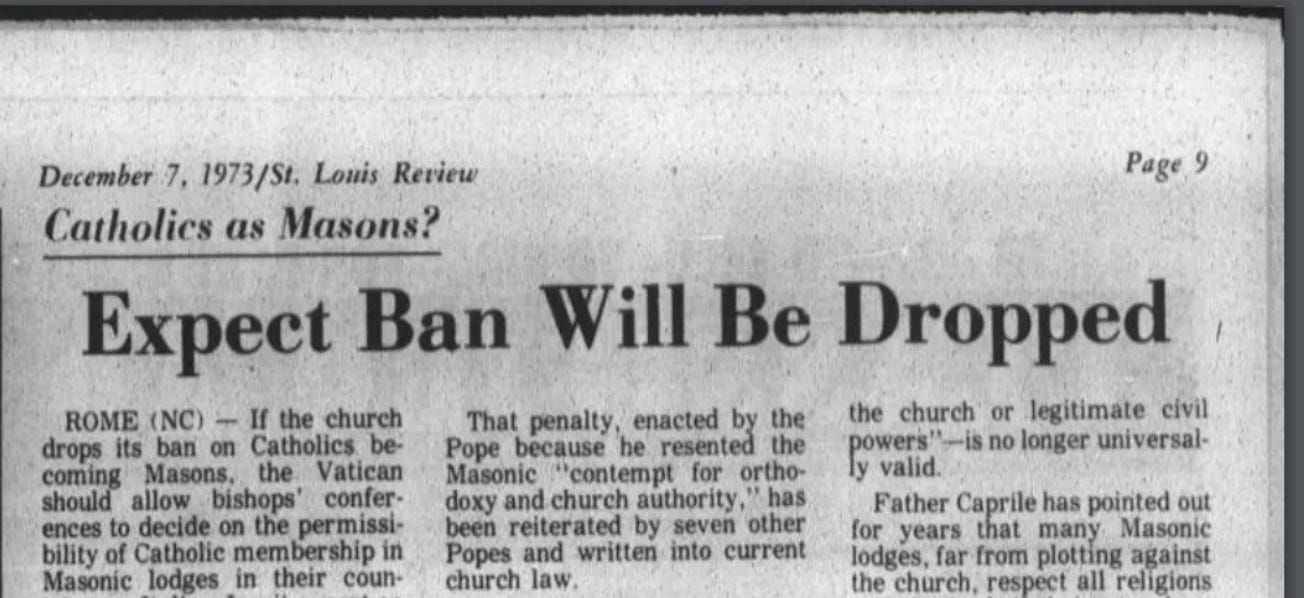
The growing consensus — as promoted by the U.S. bishops’ news service — was that the old prohibition would soon be changed.

The St. Louis Review (newspaper of the Archdiocese of St. Louis), December 7, 1973, page 9. Scan via Catholic News Archive, public domain.

Continue reading this article at Pillar Catholic:

Note regarding the main image: it was found at this site and is obviously taken more recently than the 1970″s!!

Papal Encyclicals go Arty

If there was a prize for inane events, it would have to go to the Vatican.

Take the latest offering: an exhibition at the 18th Venice Architecture Biennale – touted as “an internationally renowned event that showcases both classical and modern artwork from around the world.”  

The Vatican’s exhibition is titled “Social friendship: meeting in the garden” and is meant to represent Benedictine simplicity. Included in this display of ‘simplicity” are these juvenile wooden sculptures, made by the Portuguese architect Alvaro Siza. Perhaps the poor fellow was ‘simple-minded” and someone felt sorry for him.

Perhaps the wooden blocks are Jenga pieces and the whole thing it is a statement about evolution and how mankind randomly fell together from a jumble of DNA. (Like these Jenga pieces ending up as humanoids – get it?)

The Dicastery for Culture and Education tells us that the exhibition is “a way of celebrating the ten years of Pope Francis’ pontificate and the dialogue he has established with the world.” I’m glad there’s something to celebrate after this decade of apostasy overseen by Francis the Destroyer.

A sycophantic Cardinal from the Dicastery spouted some Bergoglio-esque drivel about the papacy: Cardinal Mendoca:

We want to see how some of the main ideas of this pontificate can be key to a dialogue with contemporary architecture and converge in a vision that takes the risk of imagining a different future.

The Cardinal explains that Laudato si’ and Fratelli Tutti:

” … help us not only to make a critical, precise and sincere diagnosis of the present, but also challenge us to raise our gaze, rediscovering the capacity to dream with determination of the prophecy of a better world.

Why does this example from the exhibition …….

…. remind me of this?

And why do both of those images give me the feeling that Francis’ “better” One-World-Government-One-World-Religion world is something along the lines of THIS???

Spiritual Effects of Sodomite Priests

This extract is taken from Slaying dragons II: The Rise of the Occult (click here to purchase)

“The effects of sodomy on the individual, in particular on a clergyman, are so much more devastating than many in the hierarchy seem to accept in our age. This sort of devastation, as Fr Athanasius [a pseudonym] explained, can indeed make priests disposed toward occult practices. He said, “Once someone compromises the conscience and habitually lives in sin, the devil’s suggestions become more constant and acceptable. But consider the interest the devil has in high value targets such as priests. Every mortal sin of a priest is a sacrilege. It makes sense that the Enemy will concentrate on them to bring about anti-priests, anti-liturgy, anti-Church. And today we’ve got a lot of possessed clergy thanks to their sodomitical ways, You’d be surprised.” When I further asked if he thought there were occultists in today’s hierarchy, he replied, “Absolutely!”

“The compromising of the conscience mentioned by the above exorcist is surely accomplished by the enemy through the moral and spiritual effects produced by the sin of sodomy. In The Book of Gomorrah, St. Peter Damien presented the evil effects brought about by the presence of this abominable vice within the priesthood in the eleventh century. From these, and in light of the comments by Fr. Athanasius, we can see how this could easily dispose those clergy today to embrace the occult, guilty as they are of the same abominations condemned by St. Peter Damien. St. Peter Damien said that sodomy “evicts the Holy Spirit from the temple of the human heart; it introduces the devil who incites to lust.” Further, “It casts into error [and] extinguishes the light of the mind … It defiles everything, stains everything, pollutes everything.” The damage done to the priest or Bishop involved in such behaviour is immense:

In fact, after this most poisonous serpent once sinks its fangs into the unhappy soul, (moral) sense is snatched away, memory is borne off, the sharpness of the mind is obscured. It becomes unmindful of God and even forgetful of itself. This plague undermines the foundation of faith, weakens the strength of hope, destroys the bond of charity; it takes away justice, subverts fortitude, banishes temperance, blunts the keenness of prudence.

St. Peter Damien, “Book of Gomorrah”, p 63-4.

“Further, St. Peter Damien added, “This vice casts men from the choir of the ecclesiastical community and compels them to pray with the possessed and with those who work for the devils.” With all these negative effects articulated, the mind is quick to respond, “How can a man, given over to this vice, seek to govern the Church as a Bishop or priest, or lead souls to Christ, or protect the Mass, or raise up new holy priests, and avoid leading the people into error?” These men, St. Peter Damien declared, “Try with such desire to ensnare the people of God in the bonds of [their] own ruin,” and lamented, “What fruitfulness can still be found in the flocks when the shepherd is so deeply sunk in the belly of the devil?”

“Given the rampant acceptance of homosexuality in the clergy today, and the presence of these men even among the Bishops, as it was in St. Peter Damien’s day, these criticisms and laments need to be considered as we seek to understand the spiritual fallout which is the result of having these men as the spiritual leaders of the Church today.”

Freemasons at Fatima in the 1920’s

From “fatima in twilight” by Mark fellows

“Many of the visitors to Cova da Iria also visited Aljustrel to talk to, or pray with, or plead intercession from the three seers. Although the apparitions had stopped, the events at Fatima had acquired a momentum of their own. The attraction increased over the years, despite violent attacks in the Masonic press, the presence of armed troops at Cova da Iria, and the fact that within four years of the last apparition, none of the little seers lived at Fatima anymore.

“Back at Lisbon, Freemason and Editor-In-Chief of ‘O Seculo’, Avelino de Almeida, was raked over the coals by his fellow leftists for daring to report the miracle of the sun as it actually occurred. It was thought that such a public concession to reality only encouraged the forces of reaction, and consequently imperiled the revolutionary cause in Portugal. In Ourem, no one needed to instruct Arturo Santos (“the Tinsmith”) about the party line. To his dying day he denied that anything miraculous had ever occurred at Cova da Iria – although he never set foot there. On October 23, 1917, however, some of his henchmen did.

“The Tinsmith’s agents were joined by members of the Grand Orient Lodge of Santarem (about forty miles south of Fatima). Under cover of darkness they entered Cova da Iria to cut down the holm oak tree, and remove the rustic wooden arch built over it, from which hung lanterns perpetually lit in honor of the heavenly Lady. They also took a table and the small altar resting on it, and an image of the Blessed Virgin. The carload of booty was driven to Santarem, where the thieves displayed the stolen items the next day. For a small fee, one could view the arch and a small hatcheted tree, and receive a Masonic harangue on medieval superstition. That night the Freemasons staged a public procession with their display, “singing blasphemous litanies to the accompaniment of drums.

“Adding salt to the wound was the fact that the Portuguese government had outlawed Catholic religious processions. The Masonic “procession” was so fanatical in its anti-Catholicism that even the secular press was critical of the event. On the morning of October 24 Maria Carreira hurried to Cova da Iria. Her heart sunk when she saw the arch and lanterns missing, then rose when she saw the little stump of the holm oak tree still sticking up out of the ground. The vandals had cut down the wrong tree.

“Lucy went to investigate too. “I then asked Our Lady to forgive these poor men,” she wrote in her Second memoir,” and I prayed for their conversion.” The next ploy of the “poor men” was to post armed cavalry around Cova da Iria to intimidate pilgrims. The crowds only seemed to increase.

“Publicly dismissing the apparitions at Fatima as a “shameful spectacle staged as a ridiculous comedy” ( as one hyperventilating Brother put it), an implacable hatred of the one true God gave Freemasonry no rest. Truth too tell, the revolution in Portugal was menaced. But it was not, as the Masons supposed, the dark plotting of the Jesuits or Portuguese clerics that would stall the force of progress. Most clergy maintained a prudent silence regarding the apparitions, and more than a few were downright skeptical. Rather, it was the prayers, penances and sacrifices inspired by the beautiful Lady at Cova da Iria that posed the real threat to Masonic authority. Before this onslaught of religious fervour Freemasonry could only sputter impotently, and flee.

On December 8, 1917, the Blessed Virgin began to grind Her heal on the spiteful head of the revolution. Portugal’s government was overthrown by one of its own, a Freemason named Sidonio Pais. The day after his coup d’etat Pais allowed the Portuguese bishops to return from exile. Two weeks later he allowed worship in the churches the revolution had confiscated from the Church. Diplomatic relations with the Vatican were reopened, and other measures were taken to allow freedom of worship in Catholic Portugal. Obviously Pais was no ordinary Freemason. He knew that by his actions he was signing his own death warrant. It is said he felt protected by the Blessed Virgin, and even received “encouraging visions” from Her. Had he lived long enough, it is likely he would have converted. But he had made himself a marked man, and he knew the Masonic reputation for vengeance was justified.

“Nevertheless, Pais persisted. His efforts to allow the Jesuits to re-enter Portugal were rewarded by an assassination attempt. Undaunted, Pais had the police raid the Masonic headquarters in Lisbon. On December 14, 1918, he attended Mass for fallen Portuguese soldiers. Afterwards, he was gunned down at a train station in Lisbon. He died there, his body riddled with bullets, a crucifix resting on his bloody chest.

It was another glorious victory for the champions of liberty, equality, and fraternity. Yet Freemasonry had only killed a messenger; they were powerless against the message, and they knew it. Their days were numbered.”

from fatima in twilight by mark fellows. Marmion publications, niagra falls. 2003.