from “il messagGero” by Franca Giansoldati
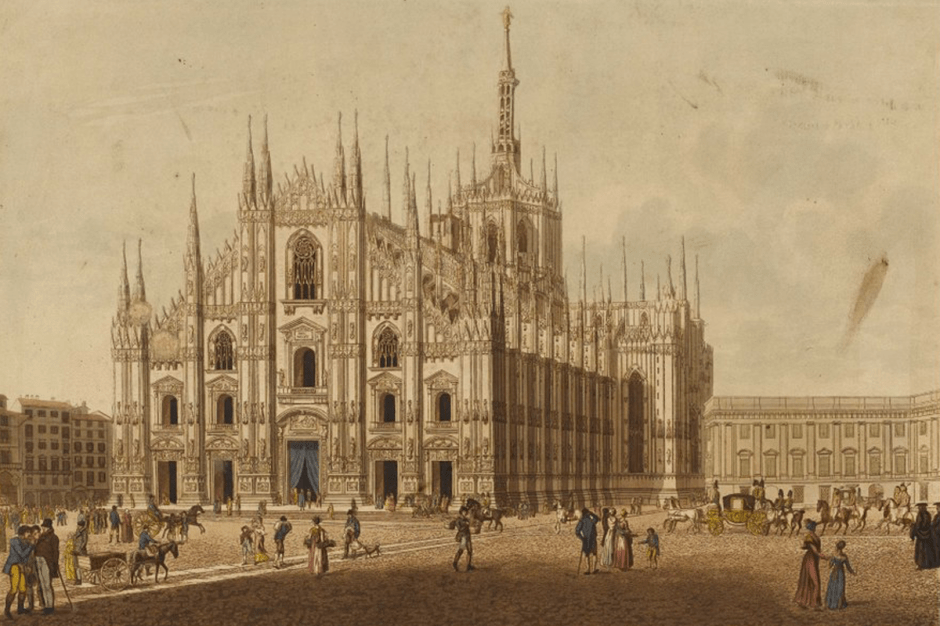
All eyes are on the Church-Masonry confrontation organized in the shadow of the Milan cathedral. The Milanese archbishop, Mario Delpini and the Grand Master of the Grand Orient, Stefano Bisi will be the protagonists of an open discussion on a controversial relationship that has been dragging on for centuries. Two months after the declaration on the absolute incompatibility for Catholics to be part of Masonic lodges («On a doctrinal level active membership is forbidden because of the irreconcilability of the doctrine») signed by Pope Francis at the foundation of the Ambrosianum, an event defined as “historic” by the Masons was organized. Alongside Monsignor Mario Delpini there will also be the president of the Pontifical Academy of Theology Monsignor Antonio Stagliano’ and Cardinal Francesco Coccopalmerio, former president of the Pontifical Council for Legislative Texts. On the website of the Grand Orient it is explained that they will openly discuss how the Church formulated the excommunication under the pontificate of Clement XII up to the present day. Bisi’s report is titled: “Freemasonry between Ratzinger and Bergoglio”.
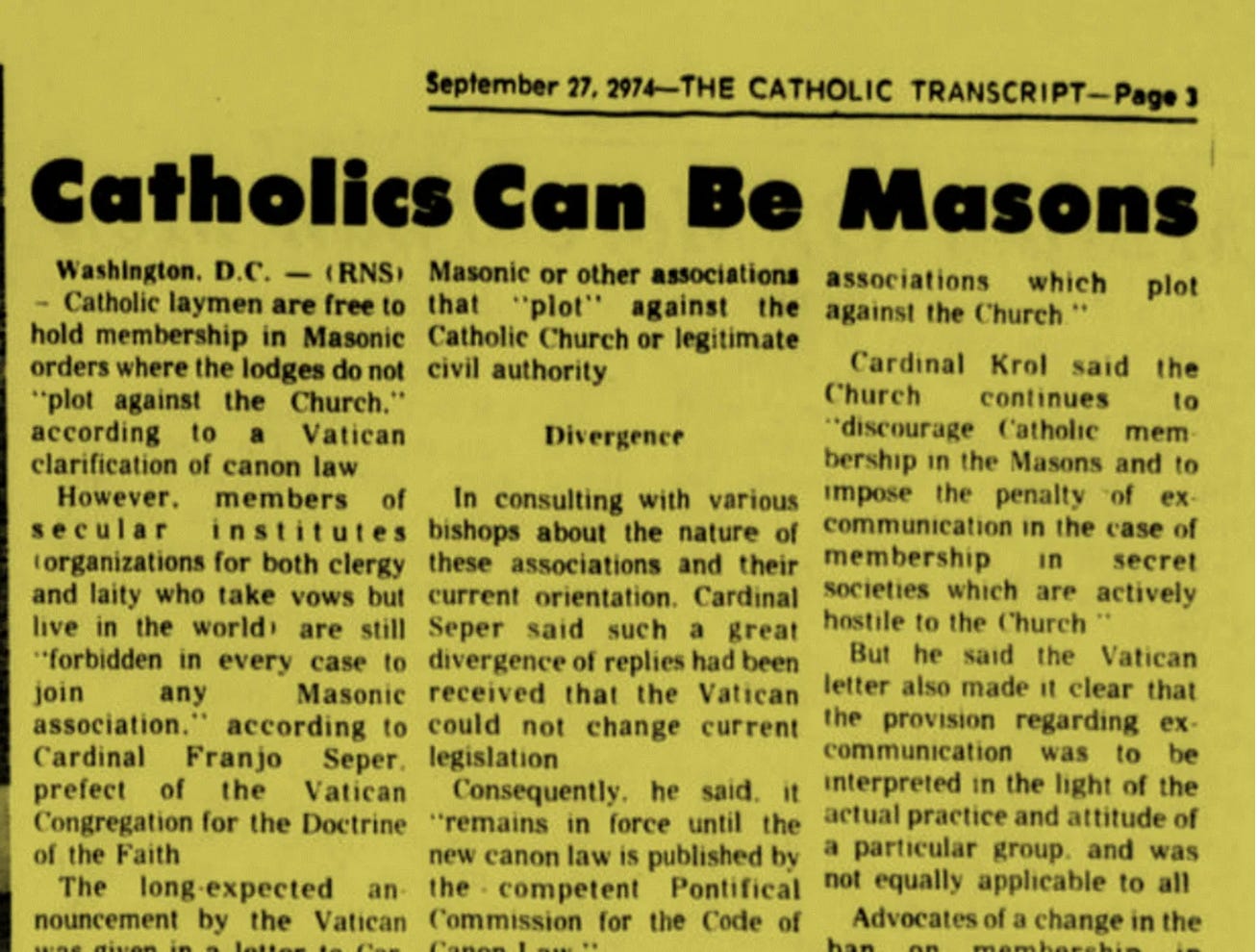
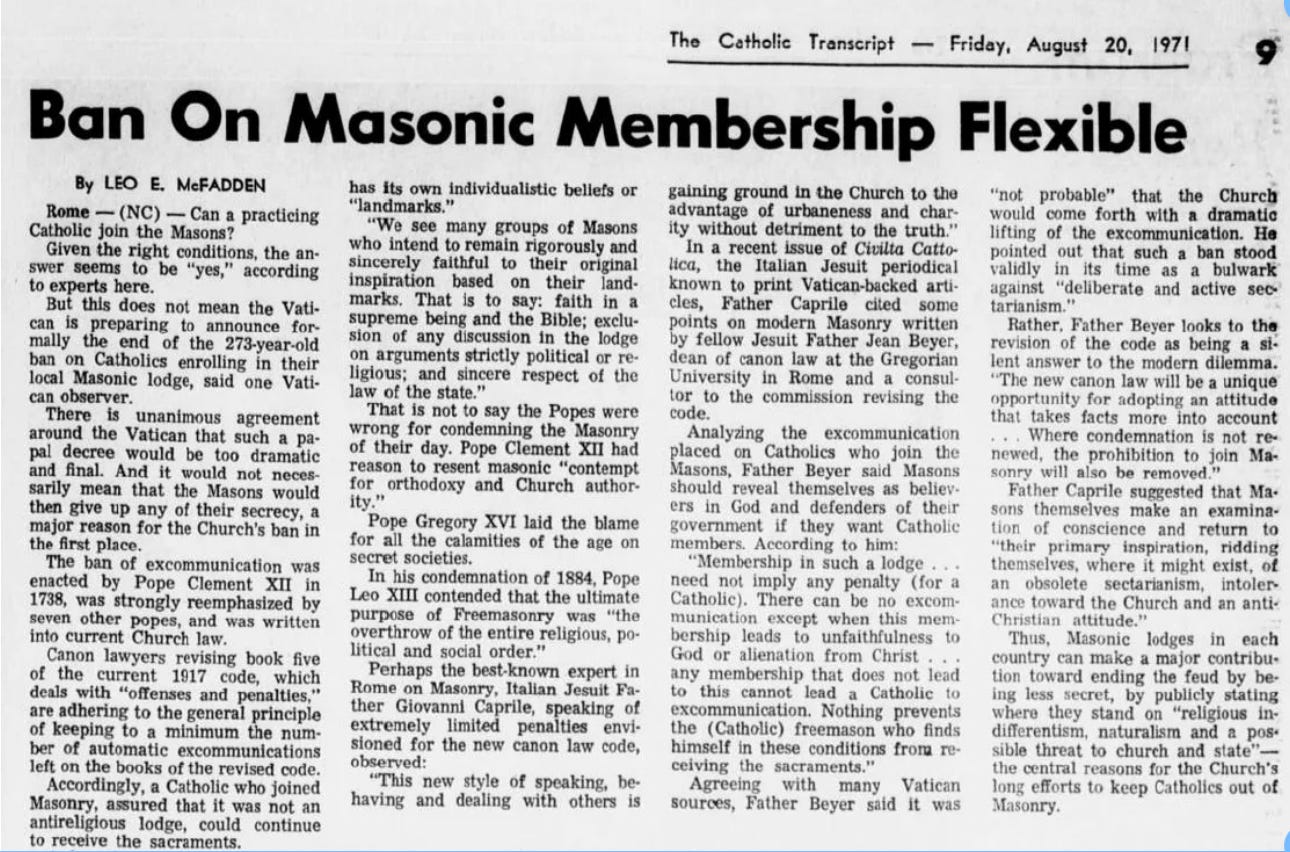
The last Vatican condemnation dates back to last November. It was raised by a Filipino bishop Julito Cortes rather worried about the continuous increase of faithful enrolled in Freemasonry in his diocese and turned to Rome for guidance on how to deal with the phenomenon from a pastoral point of view. Over the centuries the pronouncements have been different and always with negative connotations. In total there are about six hundred: from the excommunication bull ‘In eminenti apostolatus specula’ (1738) of Clement XII to the important declaration of the Congregation for the Doctrine of the Faith of 1983, drawn up by the then Cardinal Ratzinger and approved by Saint John Paul II.
A declaration, the latter, which reaffirmed «the negative judgment of the Church towards Masonic associations, since their principles have always been considered irreconcilable with the doctrine and therefore membership in them remains prohibited». Pope Francis has also expressed himself several times in critical tones. Talking about the many saints who enriched social life in Turin in the nineteenth century, Bergoglio in 2015, during his Piedmontese trip, emphasized: «In this land – and this I also said to the Salesian Family – at the end of the nineteenth century there were the worst conditions for the growth of youth: there was full-blown Freemasonry, even the Church could do nothing, there were the priest-eaters, there were also the Satanists… It was one of the ugliest moments and places in the history of Italy. But if you want to do a nice homework, go and look for how many saints and how many saints were born at that time! Why? Because they realized that they had to go against the current compared to that culture, to that way of life».
Also in 2015, in Avvenire, a letter from the Grand Master, Bisi, was published, raising the reasons for the incompatibility between the Church and Freemasonry. The occasion to address such an uncomfortable topic was a conference organized by the Grand Orient of Italy in Syracuse at which the then bishop of Noto, Monsignor Antonio Staglianò, had spoken. Bisi explained to Avvenire that the Masons «do not have to convince anyone» but certainly the «Freemasonry will never and never endorse dogmas and fideistic axioms that are far from its centuries-old tradition».
To the letter responded the then director of the newspaper of the Cei, Marco Tarquinio who, while praising the dialogue, clarified that there were two opposing visions. “If the Masons were once excommunicated ipso facto by the Church, over time the judgment seems to have mitigated a bit. In November 1983 the Congregation for the Doctrine of the Faith published a declaration on Masonic lodges. The then prefect Joseph Ratzinger specified that membership constitutes objectively a serious sin and that members of a Masonic association cannot access Holy Communion. Hence the conviction that there is a fundamental incompatibility between the principles of Freemasonry and those of the Christian faith».
The controversies then continued with Monsignor Nunzio Galantino (at the time secretary of the Cei) who from the pages of Famiglia Cristiana had repeated that «everything that by individuals or groups attacks the common good for the benefit of a few cannot be accepted» and condemned those priests or those bishops who had joined the Free Masonry. Bisi’s immediate reply was: «Those of the general secretary of the Italian Episcopal Conference seemed to us very heavy and inappropriate words for a high representative of the Vatican who should have great familiarity in measuring the verb with wisdom, balance and extreme caution before accusing so glaringly and personally excommunicating Freemasonry».



 Ecclesiastical Freemasonry