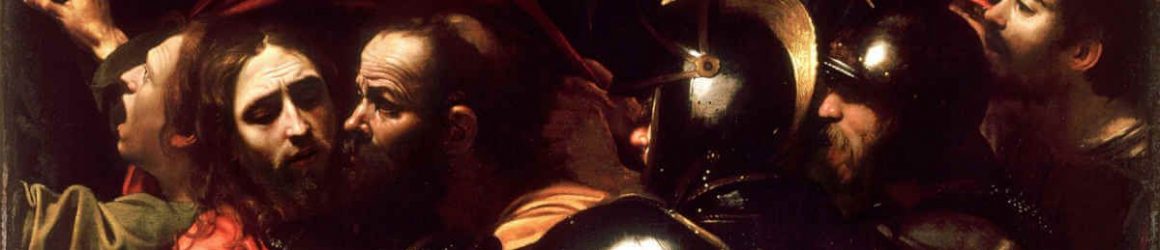
Jesuit Freemasons during JPII’s pontificate

taken from “the jesuits” by malachi martin. something to remember: this is written from Fr Martin’s perspective, as he saw it in 1988. judging from his later books, it appears that he had a less-than-rosy appraisal of JPII’s effectiveness in geopolitical strategy.

” …. there were continual streams of complaints arriving at the papal office, all detailing the unorthodox opinions being taught by Jesuits in Europe and the United States. There were, in addition, revelations that certain circles of the international section of the Masonic Lodge in Europe and Latin America were actively organising opposition to the Pontiff in Poland, that Vatican prelates – some twenty in all – were formal members of the Italian lodge; and that once again Arrupe’s [Superior General of the Jesuits] Jesuits seemed involved with Lodge circles opposed to the Pontiff.

“Paul VI had already in 1965 warned Arrupe and the Delegates to the 31st Jesuit General Congregation of the dangers in belonging to the Compact; it began to appear to John Paul that the warning had not been too wide of the mark.” p 76

“And then, too, there was the strange case of Jesuit Father Caprile, who wrote in the official Jesuit magazine, Civilta Cattolica, published in Rome. At issue for Caprile was the Roman Catholic prohibition, under pain of excommunication, against Catholic membership in the lodge. Excommunication was a dead letter, Caprile wrote in his article, and lodge membership was open to any Catholic. That was a blatant undermining of the Pope’s own decisions about morality….The alliance between the Cardinal Secretary [Cardinal Agostino Casaroli] and Civilta Cattolica was a matter of record….”

JPII and his Christ-less Decalogue

My previous article looked at a few secularists who have taken it upon themselves to create a new code of ethics for mankind, meant to replace the Ten Commandments given to Moses on Mount Sinai more than three thousand years ago. It also mentioned one of the current Pontiff’s flights into fantasy when he rewrote the Commandments for a group of adoring fans in Rome.

The Ten Commandments, also known as the Decalogue, were of course, intended by God to be binding for all time. They are engraved into our hearts and are the guide by which we are meant to “know, love and serve God in this life” in order to one day be happy with Him in heaven.

While “Decalogue” literally means “ten words” – without any reference to their divine origin – the dictionary meaning always specifies The Ten Commandments as recorded in the book of Exodus. No dictionary I consulted listed any meaning other than that used by Christians. Thus, the name doesn’t apply to any old list of ten principles.

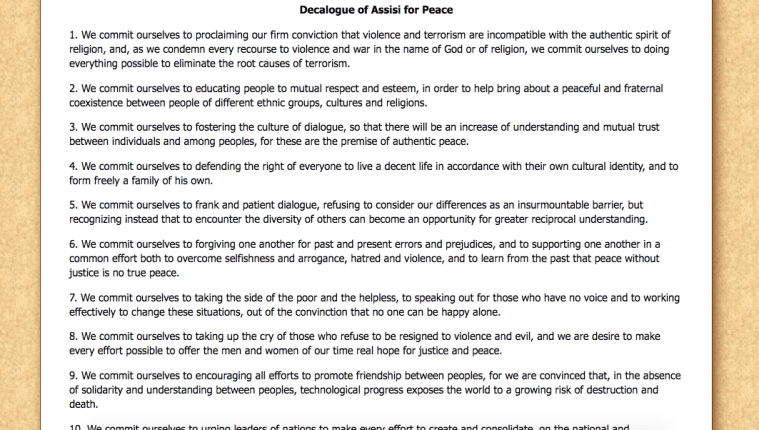
So it was with some surprise that I came across yet another novel “Decalogue” created with input from modern-day Pope: none other than John Paul II, who co-authored a “Decalogue of Assisi for Peace” in 2002. (This link will take you to the Vatican website, so you know it’s legit.)

Seeing the word “Assisi” always raises a red flag for traditionally-minded Catholics. That series of meetings with leaders from other faiths, held first by JPII then Benedict, was notorious for its open-slather ecumania and for the utter disdain shown by the reigning pope for his distinguished predecessors who warned of the dangers inherent in such an approach.

There were many incidents during the Assisi meetings that caused great scandal among believers, but perhaps nothing was worse than seeing a statue of Buddha being placed atop the tabernacle in St Peter Church at Assisi. (Images courtesy TFP except where otherwise cited.)

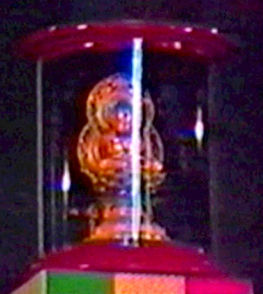
A small Buddha was placed on the Tabernacle at Assisi in 1986.
JPII reached out to some very committed heretics.
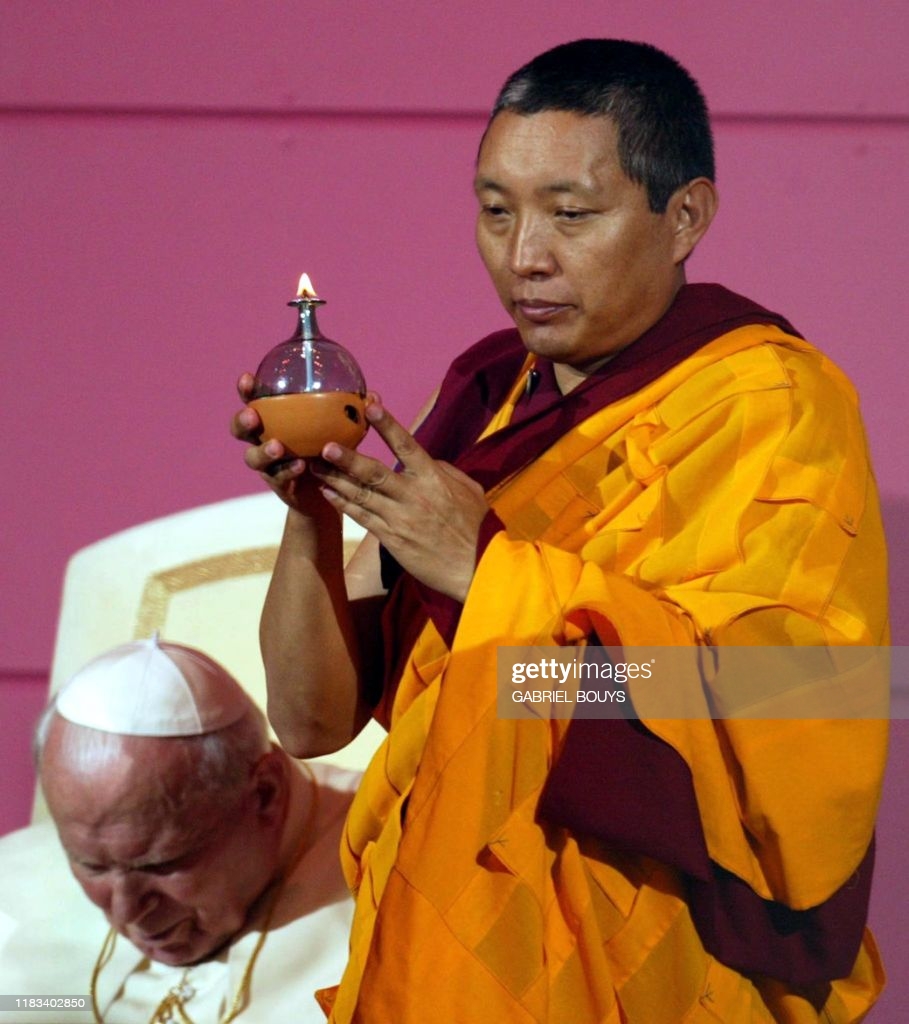
JPII & the Dalai Lama’s representative in 2001
(Photo by GABRIEL BOUYS/AFP via Getty Images)
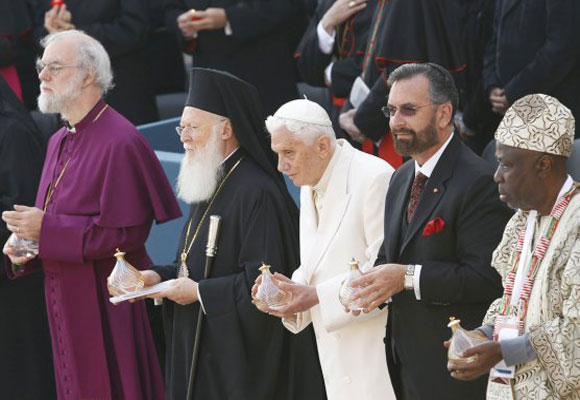
Benedict continued the craze. This is from 2011.
A close-up of the Buddha statue.

The Assisi “Decalogue”, like the secular versions already mentioned on this site, focuses on achieving peace on earth. However, as Christians we know that an earthly Utopia is impossible without the entire world acknowledging the Prince of Peace, Jesus Christ as Lord and King. In JPII’s ecumenical “decalogue”, references to Jesus Christ are not just thin on the ground, they are entirely absent.

So while the sentiments sound nice, (what sane person doesn’t want peace on earth, for crying out loud?) the entire project was obviously a complete waste of time. How is that “culture of dialogue” working out for you, Vatican II?

Source
Source

Perhaps the entire Modernist project will be abandoned when our prelates realise that the directives laid down by God are the best ones: the best for our souls and the best for the world.

But then, that assumes that the men who are driving the demolition of the Church are acting in good faith. And, given the Church’s widespread capitulation to the State, the attacks on the traditional liturgy, and a Pachamama-worshipping Pontiff, that is something one very much doubts.